Medical Assistant Salary in Missouri: St. Louis Pay Guide
Medical Assistant Salary in Missouri: What You Can Earn in St. Louis
Medical assistant salary in Missouri tracks close to the national median, and St. Louis typically pays toward the higher end of that range. The mix of larger health systems, the density of outpatient and specialty practices, and cost-of-living adjustments in the St. Louis metro all push wages up for medical assistants.
This guide covers what medical assistants in Missouri actually earn, how St. Louis compares with the rest of the state, what raises your pay over time, and how St. Louis Medical Assistant School prepares students to enter that wage range in 18 weeks rather than two years.
What is the average medical assistant salary in Missouri?
According to the U.S. Bureau of Labor Statistics, the national median annual wage for medical assistants was $44,200, with employment projected to grow 12 percent through 2034, faster than the average for all occupations (Bureau of Labor Statistics, Occupational Outlook Handbook, 2025). Missouri sits in line with that national figure, and St. Louis typically pays above the state median because of the concentration of larger employers and specialty clinics in the metro. State-level wage data for Missouri is published annually by BLS in its state OEWS tables.
The Missouri picture is shaped by a few things: a broad healthcare employment base, the St. Louis area accounting for a large share of clinical jobs nearby, and certified MAs earning a measurable premium over uncertified peers.
Entry-level pay in St. Louis
A new medical assistant in St. Louis without a credential typically starts toward the lower end of the range. The national 10th-percentile wage of $34,470 is a useful floor for early-career assistants, per BLS national data, and most assistants move up within their first year as they take on more responsibility. These ranges are starting points rather than ceilings, and St. Louis entry roles are often the first positions St. Louis Medical Assistant School graduates land after the 80-hour externship.
Mid-career pay in St. Louis
After two to four years of experience, St. Louis medical assistants generally earn near the BLS national median of $44,200 (Bureau of Labor Statistics, Occupational Outlook Handbook, 2025). This is where most working assistants land, and St. Louis employers consistently push wages higher for assistants with strong clinical skills, records fluency, and certification.
Top-tier pay in St. Louis
At the top end, the national 90th-percentile annual wage of $57,830 applies (Bureau of Labor Statistics, Occupational Outlook Handbook, 2025). In St. Louis, assistants reach this tier in specialty settings after combining tenure, a clinical specialty, and at least one nationally recognized certification. Some move into lead-assistant or office-coordinator roles, which lift earnings further.
Why St. Louis tends to pay more than the Missouri median
St. Louis wages run above the Missouri median for medical assistants for reasons specific to this market. Knowing why helps you target the right employers when you finish training at St. Louis Medical Assistant School.
Larger health systems near St. Louis
St. Louis is anchored by larger employer groups that run multiple sites on centralized pay scales, which tend to run higher than smaller independent practices elsewhere in Missouri. These employers hire steadily and offer clearer paths to raises.
Outpatient and specialty density in St. Louis
St. Louis has a strong concentration of outpatient and specialty practices, and specialty offices almost always pay above the general-practice baseline. St. Louis Medical Assistant School builds the clinical skills that translate directly into these settings, which is part of why its graduates can target them.
Wage scaling in the St. Louis metro
Many St. Louis employers adjust pay scales for local cost of living. That structural lift is one reason a St. Louis medical assistant salary typically lands above the statewide median even at entry level, and it compounds as you gain experience and take on more responsibility.
Experience and expanded duties drive the ceiling
The assistants who reach the top of the St. Louis range are usually the ones who keep adding skills after they are hired. Taking on expanded clinical duties, learning a specialty workflow, and earning a national certification all make you more valuable to a St. Louis practice that wants flexibility from its staff. Over a few years, those additions are what separate an entry wage from a top-tier one, and St. Louis Medical Assistant School is designed to give you that foundation from the first weeks.
How long does it take to start earning a medical assistant salary in St. Louis?
The honest answer is much shorter than most prospective students expect. St. Louis Medical Assistant School runs a 18-week program, which is the full classroom-and-lab portion of the training. After that, students complete a 80-hour externship at a St. Louis-area medical office before they sit for certification.
Compared with a two-year associate’s degree, the trade-off is striking. A Missouri adult who enrolls at St. Louis Medical Assistant School this term can be in an externship before the next community-college semester would even begin, which keeps the income gap between the old job and the new clinical role short.
The 18-week format
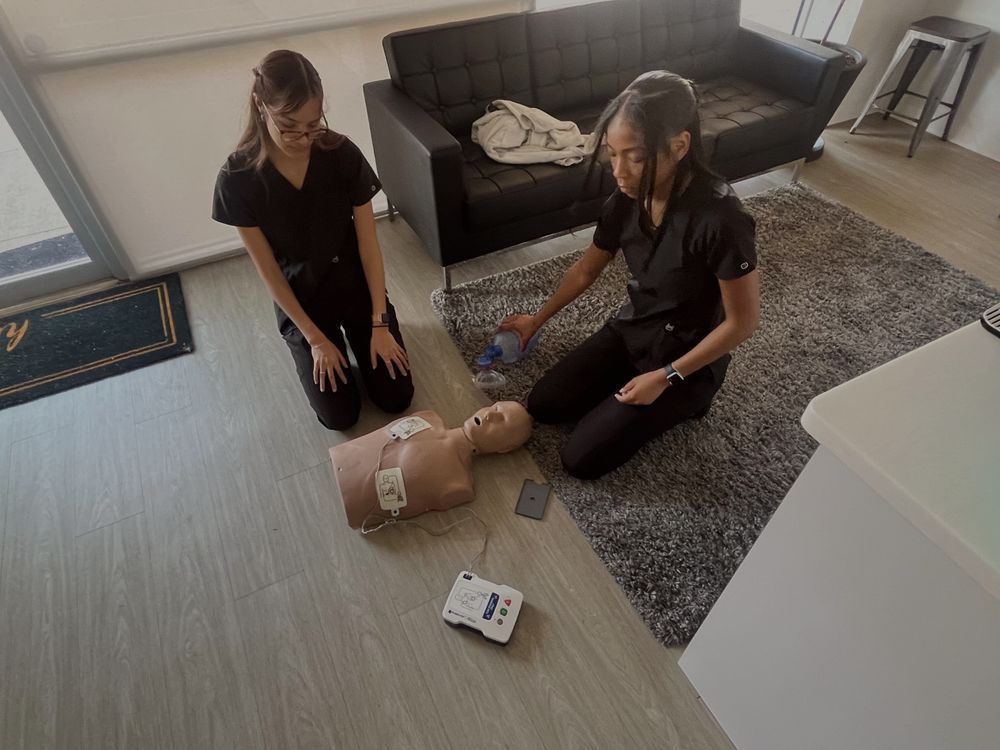
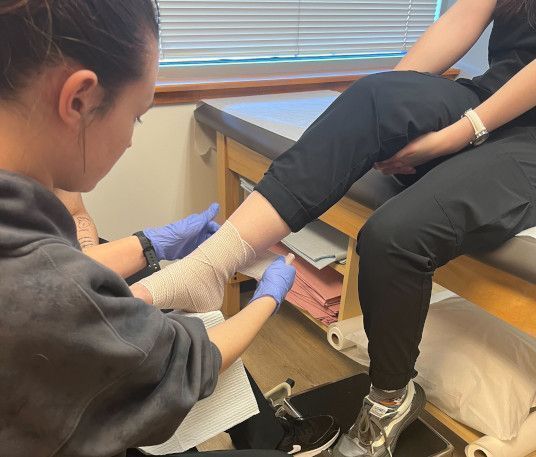
St. Louis Medical Assistant School’s format is designed for working adults, combining instruction with in-person lab days so students can keep their current jobs while they train. Each week pairs new material with supervised practice, so you are doing the work of a medical assistant from early in the program rather than only reading about it.
The externship
The 80-hour externship places students in a real St. Louis-area medical office under supervision. It is direct clinical work alongside an experienced team, not a job shadow. Graduates often begin interviewing during the externship, since they are already working inside a local practice.
How does certification affect medical assistant pay in St. Louis?
Certification is one of the largest controllable factors in your pay. St. Louis Medical Assistant School prepares students for the NHA CCMA (Certified Clinical Medical Assistant) and the AAMA CMA (Certified Medical Assistant).
Why St. Louis employers pay more for certified MAs
A nationally certified assistant signals to a St. Louis employer that the candidate has passed a standardized exam covering clinical, administrative, and patient-care competencies. For larger employers and outpatient networks, that signal reduces hiring risk and shortens onboarding, and many translate it directly into a higher starting wage.
The pay differential
Independent surveys consistently show that certified assistants earn meaningfully more per year than uncertified peers, and St. Louis reflects that pattern. Stacked over a multi-year career, the differential more than covers the full cost of training at St. Louis Medical Assistant School.
What can Missouri medical assistants legally do at work?
Scope of practice varies by state. Check with Missouri Board of Registration for the Healing Arts for current requirements in Missouri. The specific clinical tasks a medical assistant may perform are set by state law and by the supervising provider, so the exact duties can differ from one St. Louis office to the next.
In day-to-day St. Louis practice, the role typically includes the clinical and administrative work taught at St. Louis Medical Assistant School: patient intake and histories, preparing patients and rooms, assisting providers during procedures, routine clinical tasks within state scope, scheduling, records documentation, and patient communication. Specific St. Louis employers may scope these tasks differently based on internal policies and the supervising provider’s direction.
What are the other benefits of attending St. Louis Medical Assistant School?
St. Louis Medical Assistant School is built for adult learners who need a working path into healthcare without two years of college debt. The 18-week format means students can keep their current jobs while they train, class sizes stay small, lab days are hands-on, and instructors are practicing professionals who know what St. Louis employers expect on day one. You learn the same clinical and administrative skills used in St. Louis practices every day, taught in real settings with hands-on practice from the first week rather than lectures alone. Tuition is $3,990 with flexible payment plans, and your scrubs, supplies, and externship placement are part of the program. Graduates leave with the technical skills, the externship hours, and the certification preparation the St. Louis job market pays for, and many are working in a local medical office within weeks of finishing.
Contact St. Louis Medical Assistant School today to learn more about becoming a medical assistant in St. Louis.
You're only a few months from the medical assistant career you deserve.